Have a complex structure or a unique packaging concept? Speak directly with our engineers to explore materials, structural solutions and production feasibility.
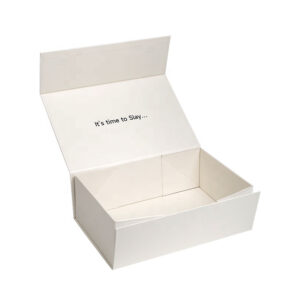
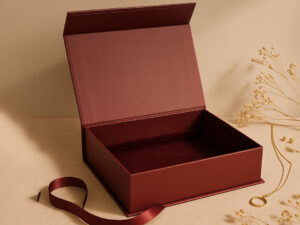
Two-piece boxes use a separate lid and base to create a straightforward packaging structure with clear product access and substantial branding space. Depending on the application, the format can be produced as a rigid setup box, paperboard box, kraft box, or corrugate-based packaging solution. Size, lid depth, materials, printing, finishes, and inserts can be specified around the product and its presentation requirements.
What Are Two-Piece Boxes and How Does the Lid-and-Base Structure Work
A two piece box consists of two independent components: a base that holds the product and a separate lid that fits over or around the base. It may also be described as a lid and base, tray and lid, or two-piece packaging structure.
The lid can cover part or most of the base depending on the box design. This affects the visual proportion, opening movement, exposed branding areas, and how easily the customer removes the lid.
“Two-piece” describes the structural format rather than one specific material. A two-piece box may be made as rigid packaging, folding paperboard packaging, kraft packaging, or certain corrugated formats. For sourcing purposes, buyers should therefore define both the structure and the required material rather than specifying only “2 piece boxes.”
Construction and Material Options for Two-Piece Boxes
Material selection should reflect the packed product, presentation target, distribution environment, finishing requirements, and budget.
A rigid two piece box typically uses rigid board or similar dense paperboard as the structural core, often combined with a decorative paper wrap. These rigid setup boxes retain their formed shape and are frequently considered when stiffness and presentation are important. Other projects may use paperboard, kraft, or corrugate. These materials can provide different balances of weight, structural strength, printability, storage requirements, and overall appearance. Kraft boxes may support a more natural visual direction, while corrugated constructions can be considered when additional structural performance is required.
The appropriate rigid stock, rigid materials, wrapping paper, or alternative substrate should be confirmed against the actual packaging application rather than selected on appearance alone.
Custom Sizes, Lid Fit, and Structural Design
Custom size development should begin with the product, not the outside dimensions of the box. Provide accurate product dimensions and identify any accessories, internal components, or inserts that will also occupy space. Important structural decisions include:
Internal length, width, and usable depth
Internal length, width, and usable depth
Internal length, width, and usable depth
Internal length, width, and usable depth
Internal length, width, and usable depth
Internal length, width, and usable depth
Access for removing the product
The lid fit deserves particular attention in rigid two piece boxes. A fit that is too tight can make opening difficult, while excessive clearance can reduce alignment and change the intended presentation.
A structural sample or prototype can therefore be useful when the opening experience, product positioning, or insert geometry is critical to the project.
Two-Piece Boxes vs. Other Packaging Box Styles
The most suitable structure depends on how the package should open, how the product is packed, and what presentation sequence is required.
Box Style
Header
Header
Two-piece boxes
A two-piece rigid box is often considered when the buyer wants a clean removable-lid format without adding a hinge, drawer sleeve, or shoulder-neck component. It is not automatically the best option for every product; the decision should account for protection, packing operations, branding area, insert compatibility, logistics, and customer access.
How to Specify and Source Custom Two-Piece Boxes
A detailed specification helps a packaging company evaluate feasibility and prepare an accurate custom quote. Buyers should provide as much product and packaging information as practical at the inquiry stage. Useful project information includes:
Malesuada ante arcu esta felis porttitor
Donec eros cursus senectus tempus
Tincidunt quisque vestibulum
Donec eros cursus senectus tempus
Donec eros cursus senectus tempus
Donec eros cursus senectus tempus
Donec eros cursus senectus tempus
Supplier evaluation should go beyond the appearance of previous packaging boxes. Consider whether the supplier can support structural development, material selection, artwork and prepress review, sampling, quality control, production consistency, documentation, and repeat production against an approved specification.
For a custom two piece rigid boxes project, submit your product dimensions, quantity, artwork requirements, preferred finishes, and insert needs to begin technical review.
Explore two-piece box products and configurations to compare lid-and-base structures, presentation formats, and options relevant to your packaging project.